- Alkaline water has a higher pH mainly because of minerals like calcium and magnesium, and many people choose it for taste and day-to-day drinking comfort.
- For most healthy adults, moderate alkaline water is generally fine daily, but people with kidney disease or electrolyte concerns should check with a clinician first.
- When comparing a regular water purifier vs an alkaline water purifier, don’t treat “alkaline” as a shortcut to cleaner water. Purity depends on the filtration and sterilization stages.
- If you’re asking “does an alkaline water purifier remove contaminants,” the answer depends on the system’s filters (sediment, carbon, membrane/nano filtration) and any sterilization stage (like UV), not the pH.
- The best alkaline water purifiers for home use in Thailand are those that balance mineral taste preferences with clear filtration performance, dispenser hygiene features, and reliable after-sales support.
A lot of people start looking into alkaline water for a simple reason: they want drinking water that tastes better and feels easier to drink every day. In urban areas, where many households rely on bottled water or struggle with tap-water taste in condos and older buildings, a convenient home water purifier is an excellent option.
But once you start shopping, alkaline water raises practical questions fast. Is alkaline water safe to drink every day? Does an alkaline water purifier remove contaminants, or do you still need serious filtration? And when you compare a regular water purifier vs alkaline water purifier, what should you prioritize first: pH, minerals, hygiene, or filtration performance?
What Is Alkaline Water?
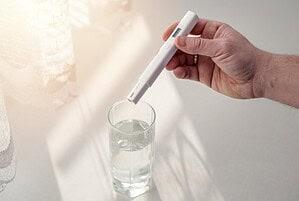
Alkaline water is water with a higher pH than neutral water (pH 7). Most alkaline drinking water gets its higher pH because it contains more alkaline minerals, such as calcium and magnesium. Those minerals can come from the source (like natural mineral water) or from a purifier system that uses mineral media.
How Alkaline Water is Made
You’ll typically see two approaches:
- Mineral media: Water passes through a cartridge that adds or retains minerals, which can raise pH and change taste.
- Ionization systems: Some machines use electrolysis to separate water into alkaline and acidic streams. These products often market “alkaline water” as the output.
Bottled mineral water can also be naturally alkaline depending on its mineral content.
Considering Your Body pH
Your body regulates blood pH through the lungs and kidneys. Drinking alkaline water may change the pH of the water you consume, but it doesn’t “reprogram” your body’s pH balance in a meaningful way for most healthy people. So it’s best to treat alkaline water as a preference (taste, mineral profile, routine), not a medical solution.
The Benefits of Alkaline Water (What People Actually Notice)
For those looking for alkaline water purifiers for home or office use in Thailand, the benefits of alkaline water tend to be simple and day-to-day, especially when people switch from bottled water or from tap water that tastes flat.
Taste and “softer” mouthfeel
Many people describe mineral-rich water as smoother or less harsh. That’s often the minerals talking, not the pH alone. If you like the taste of mineral water, an alkaline-style system can be a good match, especially in office pantries where people drink water throughout the day.
Hydration habits
The biggest practical benefit is consistency. If alkaline water tastes better to you and helps you drink more water, that can be a real improvement in daily habits. Clean, convenient water, whether hot, cold, or room temperature, also makes it easier to choose water over sugary drinks.
Is Alkaline Water Safe to Drink Every Day?
For most healthy adults, moderate alkaline water is generally fine as part of regular hydration. The bigger question is what “alkaline” means in your specific product and whether you have any medical conditions that affect electrolyte balance.
Who Should Be Cautious
People with kidney disease or reduced kidney function (because mineral balance and potassium regulation can become more complex) should be mindful about drinking too much alkaline water. Anyone who has been told to limit certain minerals or electrolytes, or who is following clinician guidance for acid-base balance issues or specific medications, should consult their doctor.
A simple approach that works. If you’re healthy and you enjoy alkaline water, treat it as part of normal hydration. If you have medical conditions (especially kidney-related), check with your doctor before making it your primary drinking water.
Regular Water Purifier vs an Alkaline Water Purifier
This comparison is where many buyers get stuck. A regular water purifier focuses on removing contaminants and improving taste and odor. Depending on the system, that may include sediment reduction, carbon filtration for chlorine and odors, and additional stages for fine particles or microorganisms.
An alkaline water purifier focuses on mineral output and pH, often by adding or retaining minerals that influence taste and alkalinity. Here’s the key point: “alkaline” does not automatically mean “cleaner.” Cleanliness depends on filtration and disinfection stages, not pH.
So when comparing a regular water purifier vs alkaline water purifier, don’t choose based on pH alone. Choose based on:
- Filtration stages and what they target
- Hygiene design (especially for dispensers)
- Maintenance schedule and service support
- Daily convenience features, such as temperature control, safety, and ease of use
Does an Alkaline Water Purifier Remove Contaminants?
This is one of the most important questions buyers ask: does an alkaline water purifier remove contaminants? The answer is: It depends on the filtration system inside the machine, not the alkalinity.
Alkalinity mostly affects mineral profile and taste. Contaminant reduction comes from the filters and sterilization components, such as:
- Sediment filtration (captures visible particles and fine debris)
- Carbon filtration (reduces chlorine taste/odor and some organic compounds)
- Membranes or nano-level filtration (targets finer contaminants depending on design)
- UV sterilization (inactivates microorganisms in systems designed for it)
If you’re shopping for alkaline water, choose a system that treats “alkaline” as an add-on to solid purification, not as a substitute for it.
How to Choose the Right Alkaline Water System for Your Space
If you’re researching alkaline water purifiers for home use in Thailand, you’ll get better results by starting with your water source and your daily routine, not just product labels.
Start With Your Water Source
- Condo tap water (newer buildings): Often treated, but taste and plumbing conditions vary by building.
- Older buildings: Pipe conditions may affect taste and sediment levels, so filtration steps matter more.
- Office use: Higher daily volume and more users mean hygiene, maintenance, and durability become priorities.
Look for Filtration You Can Understand
A good purifier should clearly explain what each stage does. You don’t need a science degree, just a straightforward breakdown of sediment, carbon, and any advanced filtration/sterilization stages.
Prioritize Hygiene for Dispensers
Dispensers get touched. Nozzles get exposed. Internal pathways stay moist. This is where smart design and service matter. Features like internal sterilization cycles, nozzle care, and scheduled maintenance support a comfortable daily use.
Temperature Control and Daily Convenience
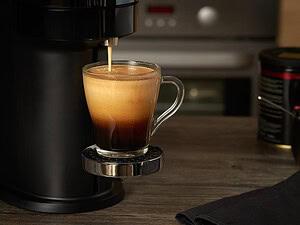
If your household makes tea or coffee regularly, or if an office pantry serves many people, temperature presets, such as hot/cold/ambient dispensing, and safety locks make the system easier to use.
Maintenance and After-sales Support
Long-term performance comes from filter replacements, service visits, and reliable support when you need it. If you’re buying for a business, the service plan matters as much as the purifier itself.

Why Many Homes and Offices Choose Wells
Wells is known for Korean engineering, design-forward products, and practical daily use. For customers in Thailand, that often translates into three things:
- Modern, space-friendly systems that fit condos, kitchens, and office pantries
- Strong filtration performance paired with hygiene-focused features (varies by model)
- Clear user experience and dependable after-sales service in Thailand
If you want an alkaline-style drinking experience, the best approach is to buy a water purifier in Thailand that balances mineral output with filtration strength, hygiene features, and day-to-day convenience. Contact Wells Thailand for guidance on the model based on your water source, room setup, and daily routine.
References
- Overview of Alkaline Water, and Where to Get It. Retrieved on 20 April 2026 from https://www.healthline.com/health/food-nutrition/alkaline-water-benefits-risks
- Is Alkaline Water Better for You Than Tap Water? Retrieved on 20 April 2026 from https://www.goodrx.com/well-being/diet-nutrition/is-alkaline-water-good-for-you
Frequently Asked Questions About Alkaline Water
Q: Is alkaline water safe to drink every day?
A: For most healthy adults, moderate alkaline water is generally fine as part of daily hydration. If you have kidney disease or concerns about electrolytes/minerals, consult your clinician before drinking it regularly.
Q: Does an alkaline water purifier remove contaminants?
A: It can, but only if it includes filtration stages designed to reduce contaminants. pH alone does not remove impurities. Always evaluate the filtration system, not just the “alkaline” label.
Q: Regular water purifier vs an alkaline water purifier: which is better?
A: It depends on your priority. If you care most about contaminant reduction, focus on filtration performance and hygiene features. If you also prefer a mineral taste, choose an alkaline-style system that still includes strong purification stages.
Does alkaline water change the taste of coffee or tea?
A: Many people find that mineral-rich water can change taste and mouthfeel. Some prefer it for tea and coffee, while others prefer neutral water. The best approach is to choose a system with temperature control and consistent output, then see what your household prefers.
Q: Who should avoid alkaline water or ask a doctor first?
A: People with kidney disease, electrolyte concerns, or those following medical guidance that restricts minerals should ask a clinician before making alkaline water their main drinking water.
What features matter most for an office alkaline water dispenser?
A: Look for strong filtration, dispenser hygiene features, hot/cold/ambient temperature options, easy controls for guests, and a service plan that supports regular filter replacement.
Q: Does Wells offer alkaline water?
A: Wells offers systems that support mineral and taste preferences, and some configurations can provide an alkaline-style drinking profile. Since output depends on the model and local water quality, Wells Thailand can recommend the best unit for your home or office.