- A tankless water purifier filters water on demand through direct piping, skipping the storage reservoir you’d find in older tank-based units.
- When comparing tankless vs tank-based water purifier systems, tankless wins on freshness, footprint, and lower stagnation risk, while tank-based can feel faster for back-to-back pouring.
- The main tankless water purifier benefits include fresher dispensing, a smaller footprint, easier daily hygiene, and flexible temperature options that suit condos and offices in Thailand.
- Contaminant reduction comes from filtration stages (sediment, carbon, membrane/nano, optional UV), not from the tankless format itself.
- For long-term performance, look beyond the spec sheet: hygiene features, proper installation, and after-sales service in Thailand matter as much as the hardware.
A tankless water purifier filters water on demand instead of storing it in an internal tank, which means fresher output, a smaller footprint, and easier hygiene. For condo residents and busy offices in Thailand, those three benefits tend to matter most. Before buying, it’s worth understanding how tankless systems actually work, how they compare to tank-based units, and which features are worth paying for.
What Is a Tankless Water Purifier?
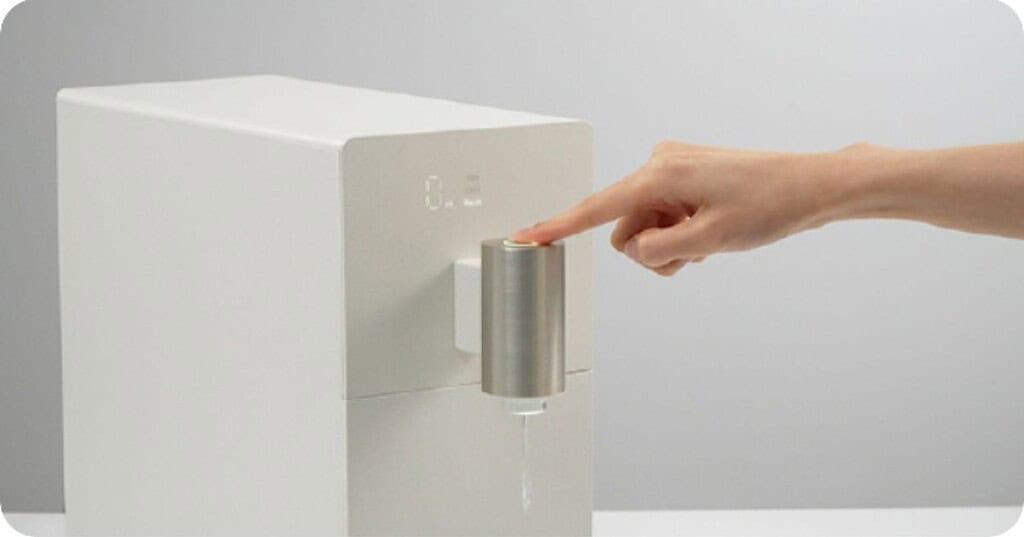
A tankless water purifier filters water on demand. Instead of storing several liters of filtered water in an internal reservoir, it connects directly to your water line, runs incoming water through a series of filters, and dispenses it the moment you press the button.
The sequence is straightforward. Water enters from your line, passes through multi-stage filtration (typically sediment, carbon, and a membrane or nano-level filter, sometimes with UV sterilization), and comes out through the dispenser at your preferred temperature. There’s no tank sitting between “filtered” and “poured.”
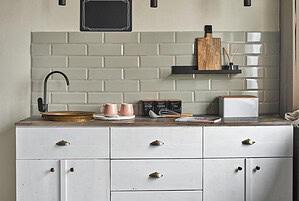
This setup appeals most to condo residents, modern kitchens with limited counter space, and offices that want a cleaner look in shared pantries. It’s also a natural fit as a space-saving water dispenser for anyone working with tight layouts.
Tankless vs Tank-Based Water Purifier: What’s Different?
The core difference is where the filtered water lives before you drink it.
A tank-based water purifier filters water in advance and stores it in an internal reservoir. When you press the button, you’re dispensing water that was filtered some time earlier. The upside is quick, steady pouring for multiple glasses in a row.
A tankless water purifier filters at the moment of pour. Nothing sits inside waiting.
Here’s a quick side-by-side on the points that matter day to day:
- Freshness and stagnation risk: Tankless pours freshly filtered water every time. Tank-based water can sit for hours before it’s used.
- Footprint and layout: Tankless units are usually slimmer and shorter because they don’t need to house a reservoir, which helps in condos and compact pantries.
- Daily convenience: Tank-based can feel faster when several people pour back-to-back. Tankless is consistent pour after pour but depends on water pressure and flow rate.
- Maintenance style: Tank-based systems require periodic tank cleaning to manage biofilm and stagnation. Tankless systems shift the focus to filter replacement schedules and dispenser hygiene.
Neither is automatically “better.” It’s about which trade-offs suit your space and routine.
Tankless Water Purifier Benefits That Matter Daily
Once you’re actually living with one, the tankless water purifier benefits show up in small but noticeable ways:
- Fresher dispensing. Water isn’t sitting in a tank, so you’re drinking it closer to the moment it was filtered.
- Space-saving setup. Compact footprints fit condo kitchens, studio apartments, and small office pantries without dominating the counter.
- Cleaner daily routine. No internal tank means one less component to worry about cleaning.
- Convenient dispensing features. Most modern tankless models offer hot, cold, and ambient temperatures, preset volumes, and touch controls.
- Strong fit for shared spaces. Office pantries, clinics, and cafés benefit from consistent freshness and a cleaner aesthetic, especially when guests and clients use the dispenser.

Who Should Choose Tankless? And What to Consider
Tankless isn’t universal, but it fits a lot of modern lifestyles well.
Best Fit Profiles
- Condo residents and small-kitchen households who want minimal counter clutter
- Families who use hot water daily for tea, coffee, or baby formula
- Offices and commercial spaces that need consistent, hygienic access throughout the day
Things to Consider Before Buying
- Peak demand: If 15 people pour coffee at the same time, even a good tankless unit needs to be sized appropriately.
- Water pressure and installation: Direct piping means proper installation matters. Low pressure or awkward plumbing can affect performance.
- Filter replacements: Going tankless doesn’t remove the need for filter maintenance. It just changes what you’re maintaining.
What to Look For Before You Buy
Not every tankless unit is built the same. Here’s what actually matters.
Filtration You Can Understand
A good system clearly explains each stage: sediment (visible particles), carbon (chlorine, odors, some organics), membrane or nano-level filtration (finer contaminants), and optional UV sterilization. Remember, contaminant reduction depends on the filtration stages inside the machine, not on whether it’s tankless.
Hygiene Features for Dispensers
Nozzles get touched. Internal pathways stay moist. Look for features like internal sterilization cycles, nozzle care, auto-drain functions, and service programs that keep the dispenser clean between visits.
Temperature Control and Safety
Hot water locks are essential if children or seniors use the unit. Stable temperature ranges and simple controls also matter for guests who don’t want a tutorial before their first glass.
Installation and After-Sales Support in Thailand
Professional installation is non-negotiable for direct piping systems. Beyond that, a clear filter replacement schedule and responsive local service make the difference between a purifier that works for five years and one that quietly underperforms after eighteen months.
Why Choose Wells for a Tankless Water Purifier
Wells brings Korean engineering and a design-forward approach to daily drinking water, which usually lands well with customers in Thailand looking for three things:
- Tankless models built for condos, modern kitchens, and office pantries
- Hygiene-minded engineering options, including features that support easier dispenser care (varies by model)
- Easy controls, hot/cold/ambient temperature convenience, and dependable after-sales service in Thailand
If you’re weighing options, the smartest move is to compare models by filtration stages, hygiene features, and service support, rather than by the “tankless” label alone. Get in touch with Wells Thailand for tailored recommendations based on your residence or commercial space and your daily routine.
Contact Wells Thailand:
LINE OA: @wellsthailand or https://bit.ly/36pYHXp
Phone: 082-826-4999
Email: info@wellsthailand.com
Reference
- Choosing a Water Purification System. Retrieved on 24 April 2026 from https://www.cdc.gov/healthywater/drinking/home-water-treatment/water-filters.html
Frequently Asked Questions About Tankless Water Purifier
Q: What is a tankless water purifier? Quick explanation
A: A tankless water purifier is a drinking water system that filters water on demand through direct piping instead of storing filtered water in an internal tank. When you press the button, water passes through multi-stage filtration and is dispensed immediately, which supports fresher output and a smaller footprint.
Q: Tankless vs tank-based water purifier: which is better for condos?
A: For most condo residents, tankless is the stronger fit. It takes up less space, avoids water stagnation in a storage tank, and pairs well with modern kitchen layouts. Tank-based units can still work, but they’re usually bulkier and require regular tank cleaning.
Q: What are the top tankless water purifier benefits for offices?
A: Offices benefit from fresher dispensing throughout the day, easier hygiene management (no tank to clean), space-efficient placement in pantries, and convenient features like hot, cold, and ambient temperature options. Reliable filter replacement schedules and service support are equally important for shared-use environments.
Q: Do tankless purifiers need maintenance?
A: Yes. Tankless systems don’t require tank cleaning, but they still need regular filter replacements, dispenser hygiene care, and periodic service checks. A clear maintenance schedule is essential for long-term performance.
Q: Do tankless systems work with Thai household water lines?
A: In most cases, yes, but proper installation matters. Water pressure, pipe condition, and building age can all influence performance, which is why professional installation and a pre-install check are recommended.
Q: Does Wells offer tankless water purifiers?
A: Yes. Wells offers tankless models designed for condos, modern kitchens, and office spaces in Thailand, with filtration, hygiene features, and service support that vary by model. Wells Thailand can recommend the right unit based on your water source and daily routine.